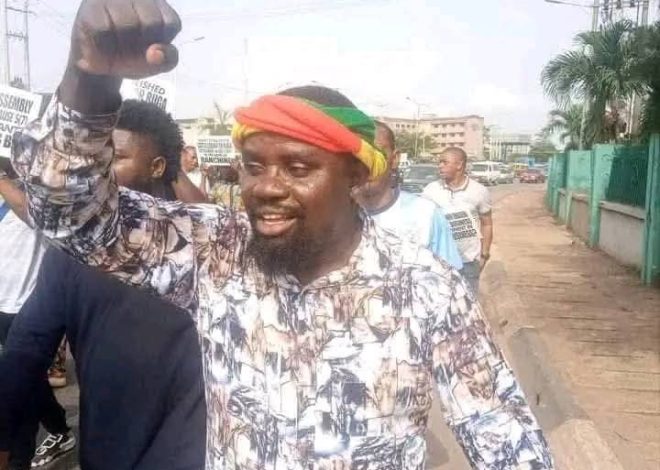
Omologbe Odigie Felix: The EndSARS Voice the Government Desperately Wants To Silence
By Johnson Abiodun
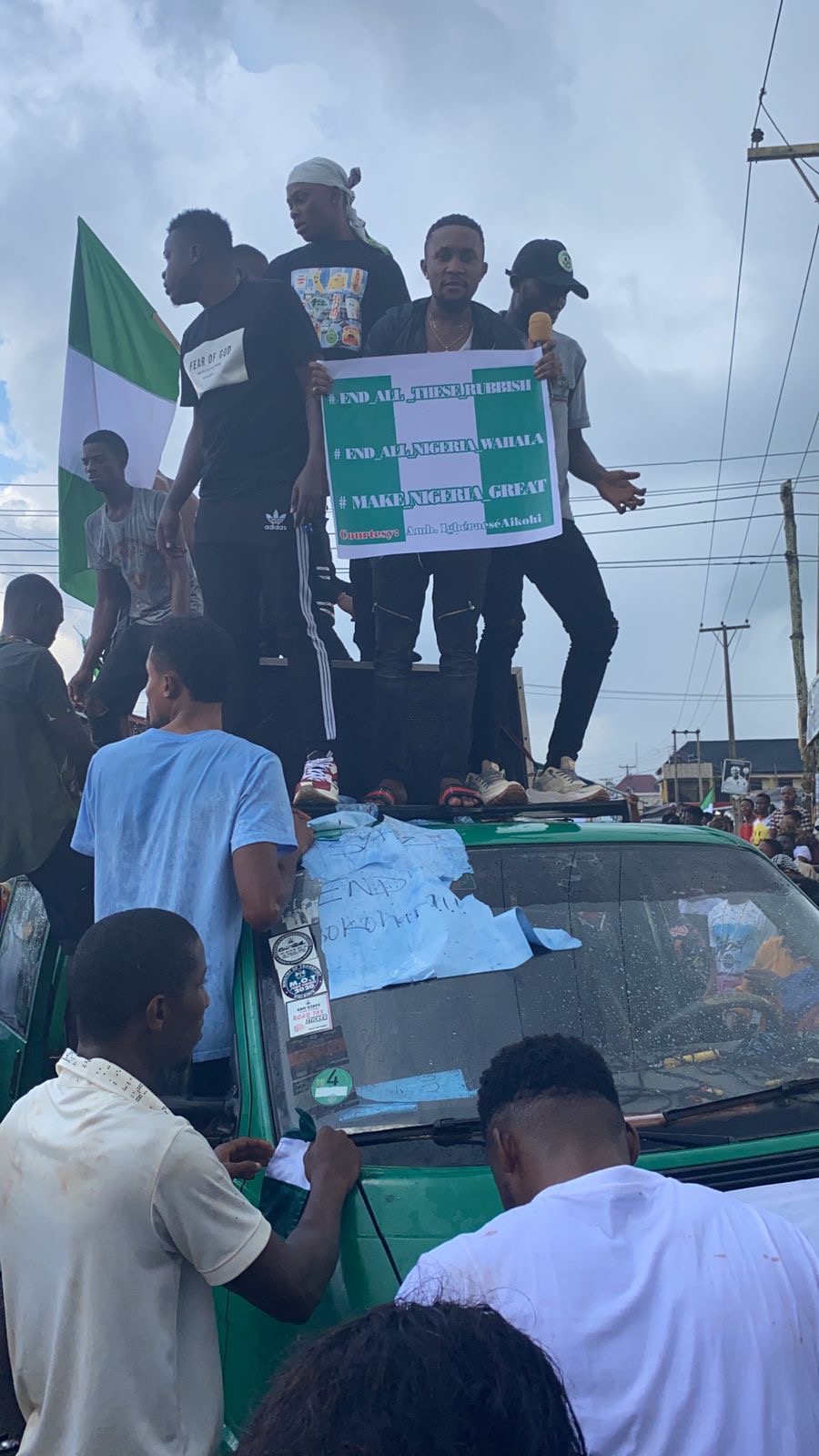
When Nigerians took to the streets in October 2020 under the aegis of #EndSARS, the movement became one of the most significant youth-led protests in Nigeria’s recent history. Its central demands were straightforward: an end to police brutality, accountability for abuses committed by security forces, justice for victims and meaningful reform of the Nigerian Police Force.
Among the prominent voices that emerged during the protests was Omologbe Odigie Felix, human rights activist, leader and organizer of the endsars protest in Ekpoma, Edo state, and political campaigner. Felix was among the activists who led #EndSARS demonstrations in Edo State, Nigeria alongside other prominent figures such as Deji Adeyanju and Aisha Yesufu in other states.
Surprisingly, six years after the 2020 ENDSARS protests, Omologbe Felix is still wanted by the government and the authorities in the country.
On October 1st 2026, the Edo Commissioner of Police declared Felix wanted over an alleged attempt to organise a protest similar to that of the ENDSARS, even when he is believed to be outside the shores of the country.
The police feared that such planned demonstration, real or imagine could obstruct traffic, disrupt economic activities and create risks to public safety. The commissioner of police subsequently declared Felix Omologbe wanted and urged him to report to the police in his best interest.
Undoubtedly, the development revived an old question surrounding Nigerian activism: where should the line be drawn between the government’s responsibility to maintain public order and citizens’ constitutional right to protest?

Omologbe Odigie Felix
For Felix, the issue was not simply about one protest; it formed part of a much longer confrontation between activists demanding accountability and authorities concerned about public order and security.
Not too long ago, the Federal High Court in Edo State ruled that Felix Odigie Omologbe, is a wanted person, even as other arrested ENDSARS protesters are either still in different prisons serving long jail terms or are in police custody till date while many others lost their lives through the brutality of security agents.
Curiously, the unfinished legacy of EndSARS movement was never simply about one individual. It was a broad movement involving hundreds of thousands of Nigerians across different cities and backgrounds although some activists became its most visible public voices, but the movement itself had no universally recognised leader.
The Nigerian government eventually announced the dissolution of SARS in October 2020, one of the movement’s central demands. However, questions surrounding police accountability, citizens’ rights, freedom of assembly and the government’s response to dissent have continued unabated.
Interestingly, the EndSARS generation demonstrated that the Nigerian youths could organise nationally around a common grievance and force issues of police brutality and accountability into the centre of national conversation. Years later, the arguments over protest, policing and government accountability continued.

Related Posts

Ossiomo Power Company Accuses Edo Police Command Of Double Standards, Says Company Lost Over N100m To Thieves
Reflections On The 10th Coronation Anniversary Of The Oba Of Benin: Why The Global Edo Community Must Rise Against Diaspora-Based Attacks On The Benin Monarchy